Pool Fixes Without Digging Up the Deck
Pressure tests and targeted repairs fix most pool leaks at the line or fitting, so the deck and coping stay intact.
Pool Leak Detection
Pool leak detection finds where your pool is losing water, in the shell, plumbing, fittings, or equipment, so small leaks do not become big repair bills. We test the pool and its lines to separate real leaks from normal evaporation. This page explains how pool leak detection works and what happens during a visit. Pool Leak Detection in Sarasota keeps a pool holding water instead of losing it to a hidden leak. A small loss gets found before it becomes a big repair bill.
Service overview
A Sarasota pool loses water to sun and wind every day, so a real leak can hide behind normal evaporation for weeks. A bucket test compares evaporation against actual loss, and then thermal imaging, acoustic listening, and camera inspection trace the leak to its source. Finding the exact source avoids draining the pool or digging up the deck at random.
Pool Leak Detection in Sarasota is a specialized service that identifies leaks in swimming pools using advanced technology and techniques. This process involves inspecting the pool structure, plumbing, and surrounding areas to locate leaks that can lead to significant water loss and damage.
Local Sarasota customers need this service to prevent major repairs and water waste. Common scenarios include noticing a drop in water levels, wet spots around the pool deck, or increased water bills. Straightforward pool leak detection helps Sarasota homeowners address these issues promptly.
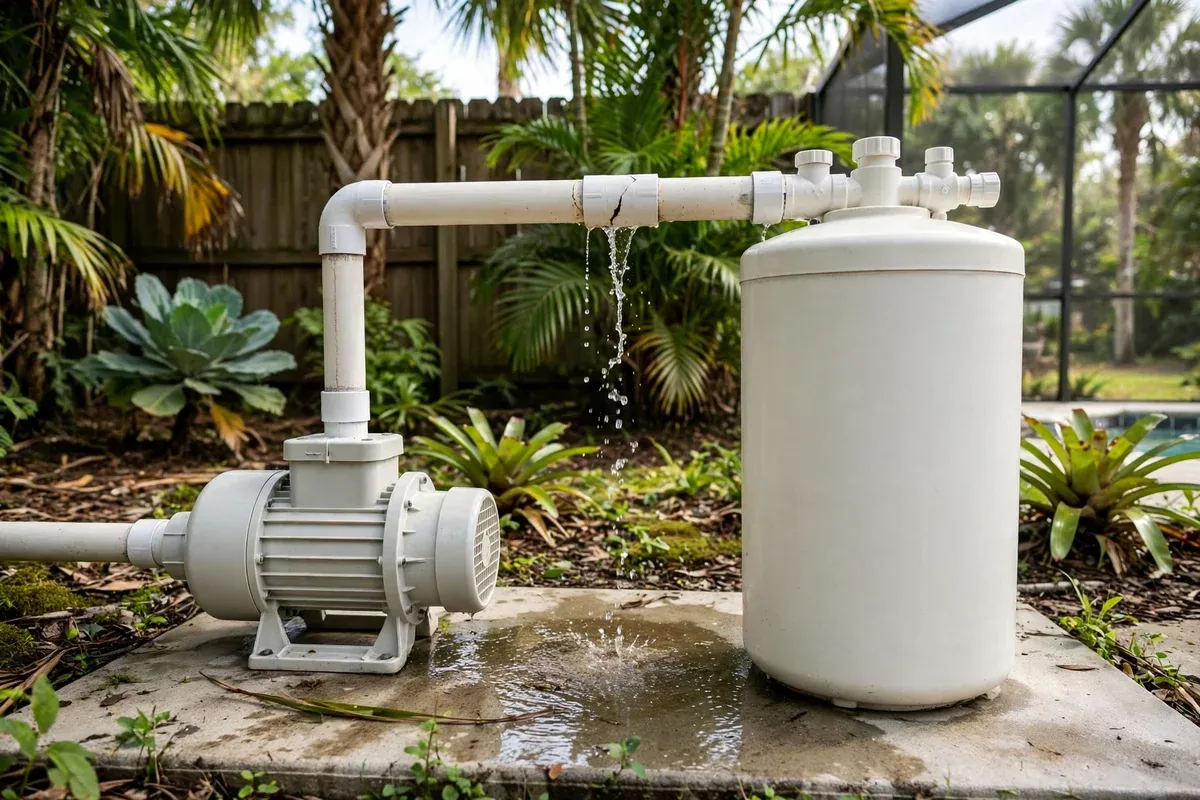
A pool level dropping day after day? Call and we will find the leak.
(941) 393-1124Practical benefits
Understanding the benefits of pool leak detection can save you time and trouble.
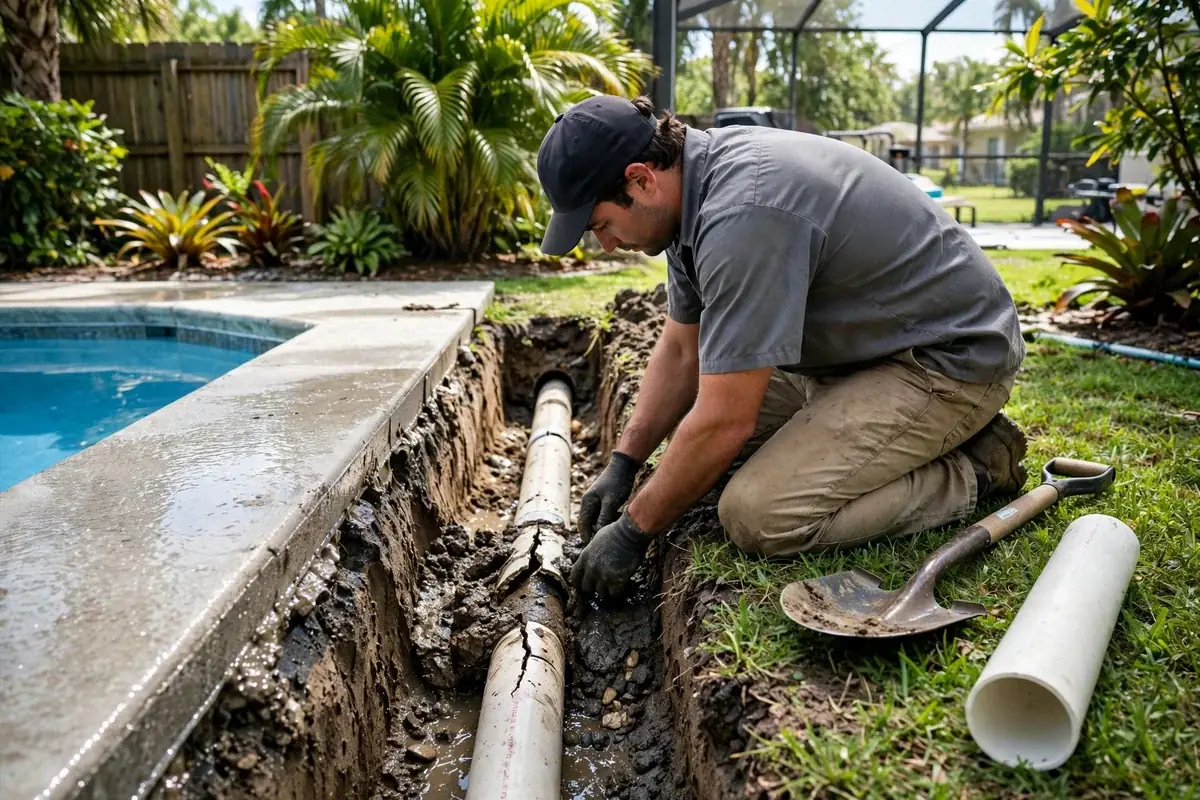
Pressure tests and targeted repairs fix most pool leaks at the line or fitting, so the deck and coping stay intact.
A bucket test separates evaporation from a real leak, so the pool stops needing constant refills.
Water escaping underground can wash soil away and crack the deck above it. Finding the leak early protects the deck and the pool shell.
Suction lines and equipment are tested for air leaks, so the pump holds prime and runs normally.
How service works
Our pool leak detection process is thorough and efficient, ensuring no leak goes unnoticed.
STEP 01
We start with a detailed consultation to understand your concerns and inspect the pool area. This step usually takes one visit.
Problems we solve
Pool owners in Sarasota run into the same few problems: falling levels, wet decks, and rising bills.
Water lost to a leak has to be replaced, and the bill shows it month after month. Ignoring this issue can lead to significant water waste and increased utility bills.
A leak in the shell or plumbing can turn into structural damage if it is left to run. These can lead to structural damage and safety hazards if not addressed promptly.
A water bill that jumps without a change in use usually means the pool is leaking somewhere. Higher bills can indicate a serious leak that needs immediate attention.
Water escaping underground can wash soil away and crack the deck above it. Finding the leak early protects the deck and the pool shell.
Where this service fits
Pool leaks hide in shells, fittings, and lines. The table below summarizes the test methods described on this page.
| Method | What It Does |
|---|---|
| Thermal Imaging Camera | Marks cool patches on the shell and deck where escaping water changes the surface temperature. |
| Acoustic Leak Detection Equipment | Listens along pool plumbing and fittings for the sound of water escaping, even where the leak never puddles. |
| Video Camera Inspection Tools | Traces pool plumbing lines to show cracks and failed joints without digging up the deck. |
| Equipment Pad Seals | Pump lid seals, filter tank O-rings, heater unions, and skimmer throats are checked while the pump runs, since their seals harden and shrink first. |
A pool that keeps losing water needs its source found, not just topped up again. You save water and avoid major repairs down the line.
A leak in pool plumbing hides in shell, fittings, or lines, and the right tools trace it to the exact spot. Your pool area remains safe and dry, enhancing your outdoor space.
Pool losing water faster than the Florida sun can explain? Pool leaks get found fast — so the refilling stops and swimming resumes.
A pump that keeps losing prime usually has an air leak in a suction line, and testing finds it.
Local execution
In Sarasota, the warm climate and unique pool designs can lead to specific leak issues. Common materials include PVC piping and PEX tubing, which can degrade over time. Local knowledge and advanced techniques drive pool leak detection and repair here, in full compliance with local codes and standards.
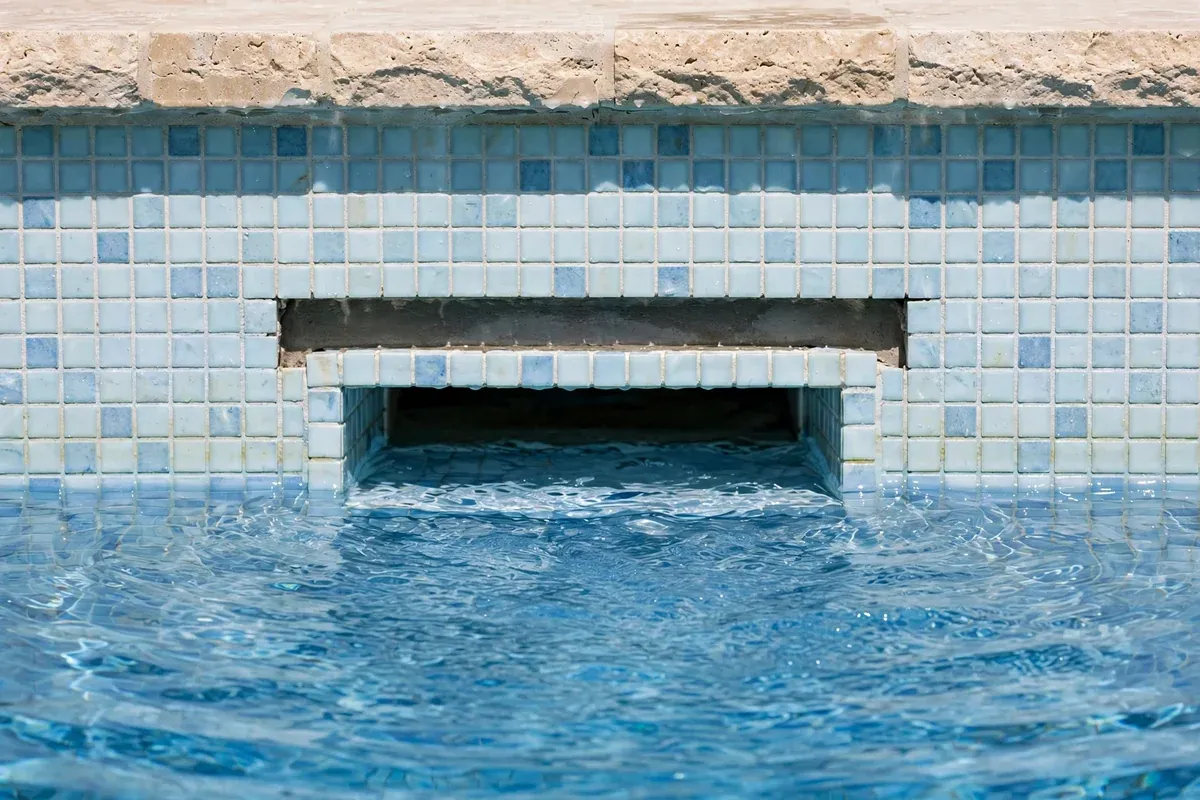
A Sarasota pool loses water to sun and wind every day, so a real leak hides behind normal evaporation for weeks. The tell is pattern, not amount: a level that falls faster with the pump running than with it off points to a pressure line, while a steady fall either way points to the shell or a suction line. Salt air ages pad fittings first, and sandy soil lets a lateral leak drain without ever puddling. Skimmer throats, return fittings, and heater unions are the parts that give way first, so those are tested while the pump runs. Pool leaks hide the same way in Siesta Key and Longboat Key, where salt air ages fittings first.
Pools face salt air that ages pad fittings first, so regular leak checks keep water levels steady.
Pools sit close to saltwater, so fittings and pad seals age faster and need regular checks.
Homes typically have modern pool systems, where a pressure-side leak shows only while the pump runs.
Can exacerbate the effects of leaks, making timely detection essential.
Storms can cause damage to pool structures, leading to leaks that need immediate attention.
Pools face salt air and sandy soil, so a level that falls faster with the pump running points to a pressure line.
Tools and methods
Marks cool patches on the shell and deck where escaping water changes the surface temperature.
Listens along pool plumbing and fittings for the sound of water escaping, even where the leak never puddles.
Traces pool plumbing lines to show cracks and failed joints without digging up the deck.
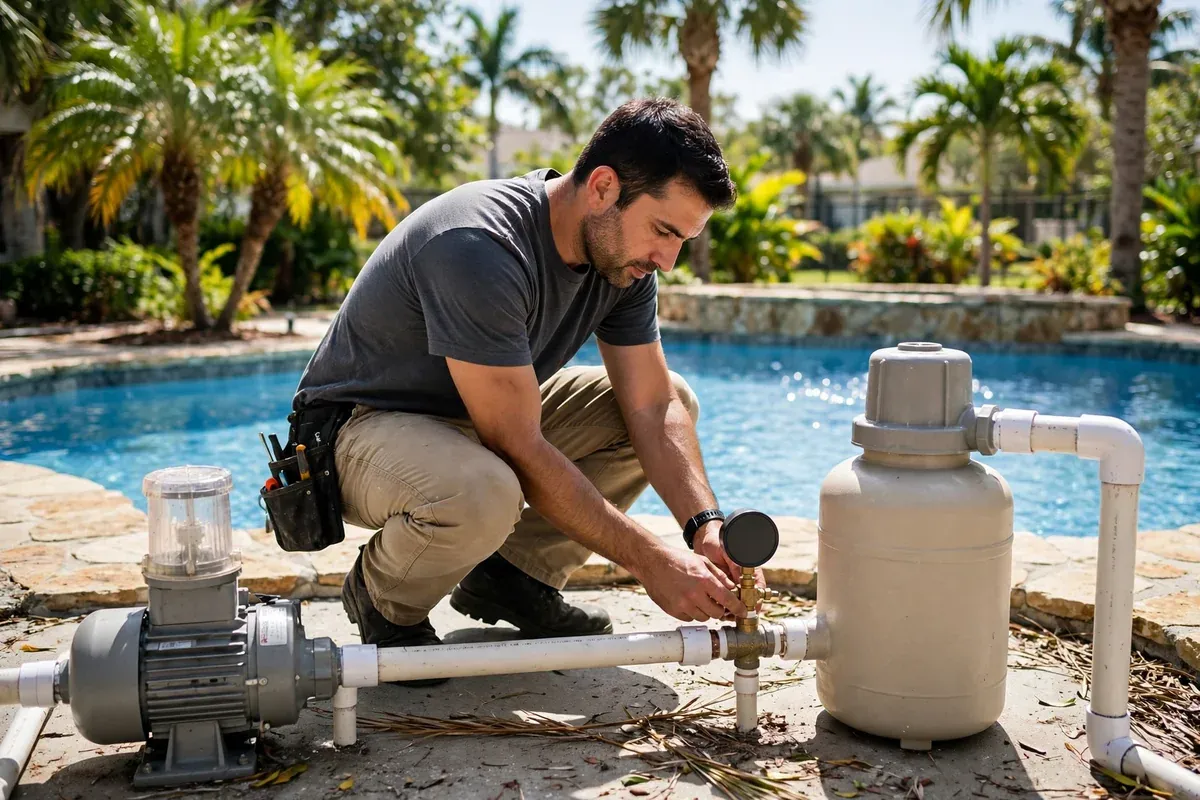
Pump lid seals, filter tank O-rings, heater unions, and skimmer throats are checked while the pump runs, since their seals harden and shrink first.
This method involves pressurizing the plumbing system to identify leaks by monitoring pressure drops.
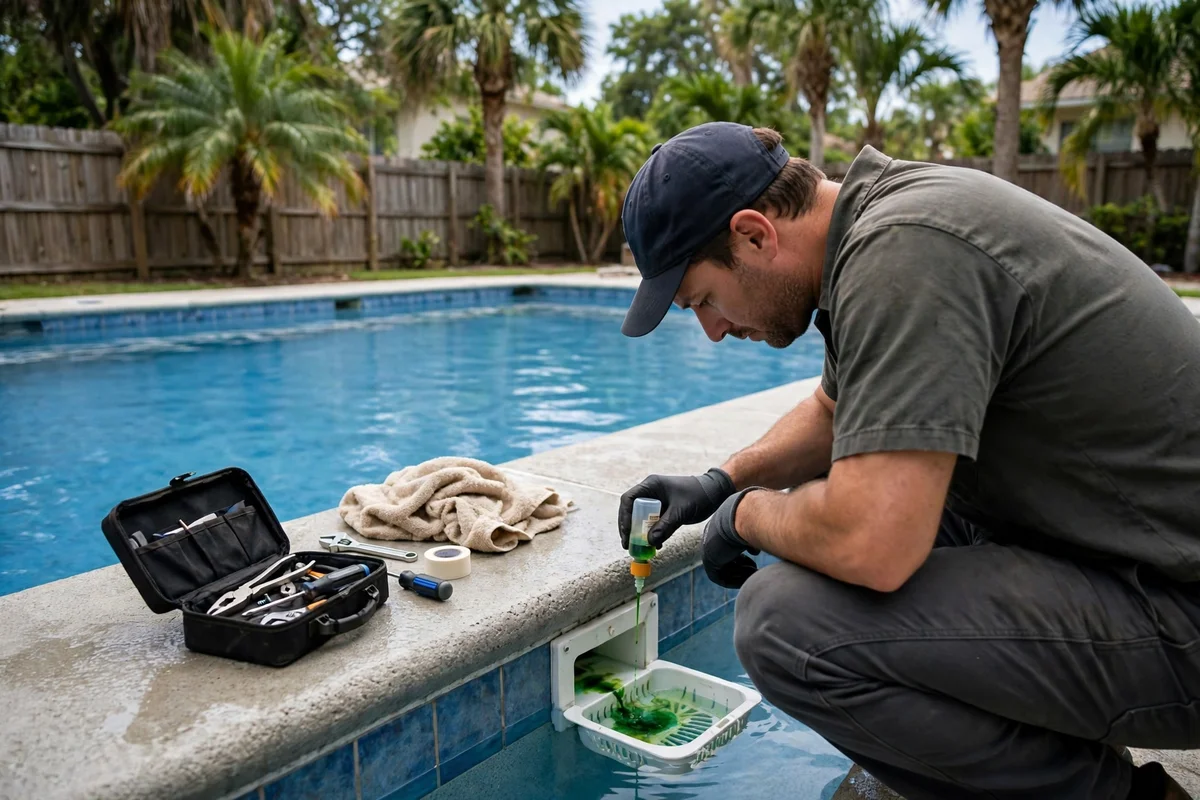
Colored dye is added to the pool water to trace the source of leaks.
A thorough visual inspection of the pool and surrounding areas helps identify obvious signs of leaks.
A practical standard for every visit.
Experience in the details
With local experience in pool leak detection, we combine knowledge and technology to deliver effective solutions. The latest techniques and industry-standard tools are standard equipment on every pool job.
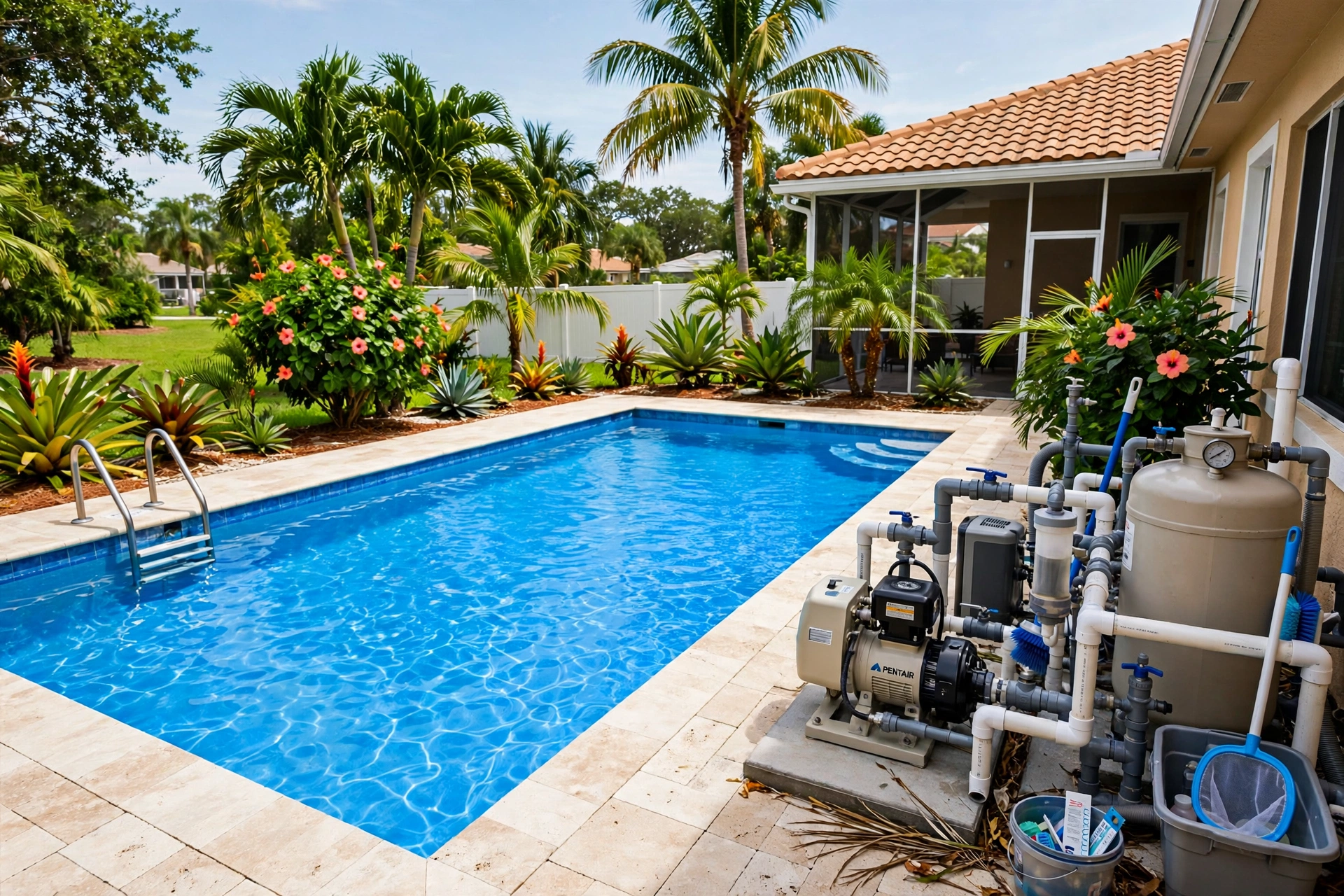
Where we work
People also ask
Set a bucket of pool water on a step, mark the level inside the bucket and in the pool, then leave them alone for a day with the pump off. If the pool level drops farther than the bucket level, water leaves through a leak rather than evaporation. Wind and heat affect both containers equally, so the comparison stays fair.
Pressure-side parts only leak under pump pressure, so a filter seal, heater union, or return line can hold water when the pump sits idle and lose it once it pressurizes. The water level may look steady overnight, then drop during a pump cycle. Checking equipment pads and return fittings while the pump runs shows which joint or seal gives way.
Pump lid seals, filter tank o-rings, heater unions, and skimmer throats see constant pressure, heat, and chemical exposure, so their seals harden and shrink first. Chlorine and sun wear the same parts on above-ground equipment pads. A dye test around each joint while the pump runs shows which seal lets colored water slip out.
Talk to us about losing pool water with no puddle in sight and a pool dye test.
(941) 393-1124The bucket test: fill a bucket with pool water, mark both levels, wait 24 hours. If the pool drops more than the bucket, you have a leak. In Sarasota heat, evaporation runs about 1/4 inch daily in summer, more than that signals a real leak.
Most common: skimmer throat cracks, return-line fittings, main drain seals, and equipment-pad connections (pump, filter, heater). Structural shell cracks are rarer. We pressure-test each line independently to isolate the exact failure.
Yes, we almost never drain pools for detection. Pressure testing, dye testing, and acoustic listening all work with the pool full. Draining risks structural damage (popping) in Florida's high water table, so we avoid it.
A 1/32-inch crack in a pipe can lose hundreds of gallons daily, thousands monthly. Beyond the water bill, leaks erode soil under the deck, causing settling and cracking. Early detection saves both water and concrete.
A pool light niche can leak where its seal ages or where the conduit behind it cracks, letting water slip out behind the pool shell. The water level drops steadily while the equipment pad stays dry, since the loss happens at the pool wall itself. A dye test around the light fixture, with the pump off and water still, shows whether dye pulls toward the niche seal or the conduit.
Keep exploring
Your next step is waiting
Contact us for reliable pool leak detection in Sarasota. Our technicians are ready to help you keep your pool in good condition.
Start with the basics
For reliable leak detection services, reach out to us today! We respond quickly and are available 24/7 for emergencies.